
Looking Again - Mumbai Art Fair
-
 Avijit Dutta, In the Flesh of Time
-
Avijit Dutta, Restitched (Set of Two)
-
Avijit Dutta, Restitched (Set of Two)
-
Avijit Dutta, A Slow Dance


-
Debiprasad Bhunia, Between Making and Becoming
-
Debiprasad Bhunia, The Memory of a Threshold
-
Debiprasad Bhunia, Traces of Presence
-
Debiprasad Bhunia, A Place to Pause


-
Debiprasad Bhunia, A Presence of Her Own
-
Debiprasad Bhunia, Between Presence and Absence
-
Debiprasad Bhunia, The Carrier
-
Debiprasad Bhunia, The Path Within


-
Debiprasad Bhunia, The Weight of Belonging
-
Debiprasad Bhunia, What Remains in Motion
-
Debiprasad Bhunia, Where Structures Grow
-
Dhruti Mahajan, Wholeness in Fragments, 2025


-
Dhruti Mahajan, Wholeness in Fragments, 2025
-
Dhruti Mahajan, Wholeness in Fragments, 2025
-
Mayadhar Sahu, Jack Fruit
-
Mayadhar Sahu, Village Banana


-
Mayadhar Sahu, Village Drink
-
Mayadhar Sahu, Untitled
-
Mayadhar Sahu, Ancient Steps 2, 2026
-
Mayadhar Sahu, Ancient Steps 3, 2026


-
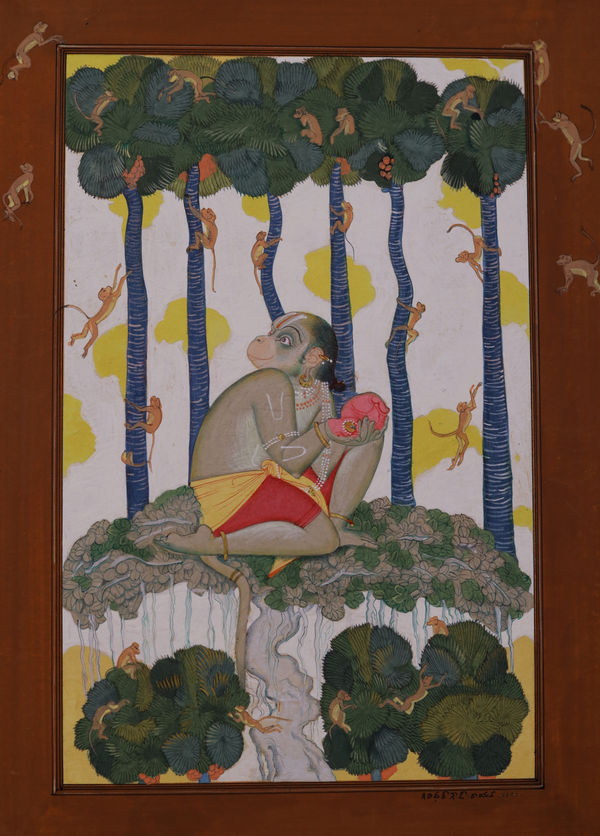
Rayana Giridhara Gowd, Chudamani Sangraha Hanuman
-
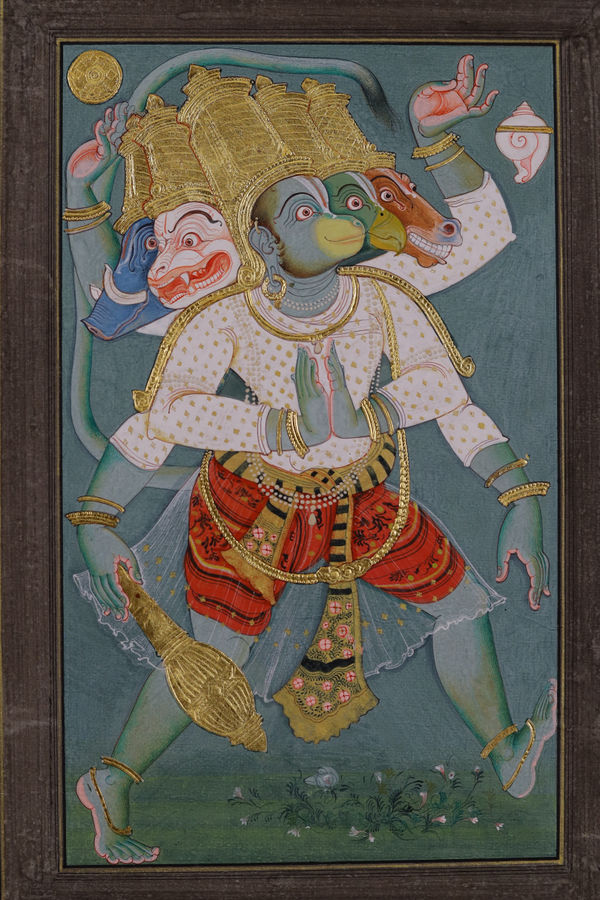
Rayana Giridhara Gowd, Panchamukha Hanuman
-
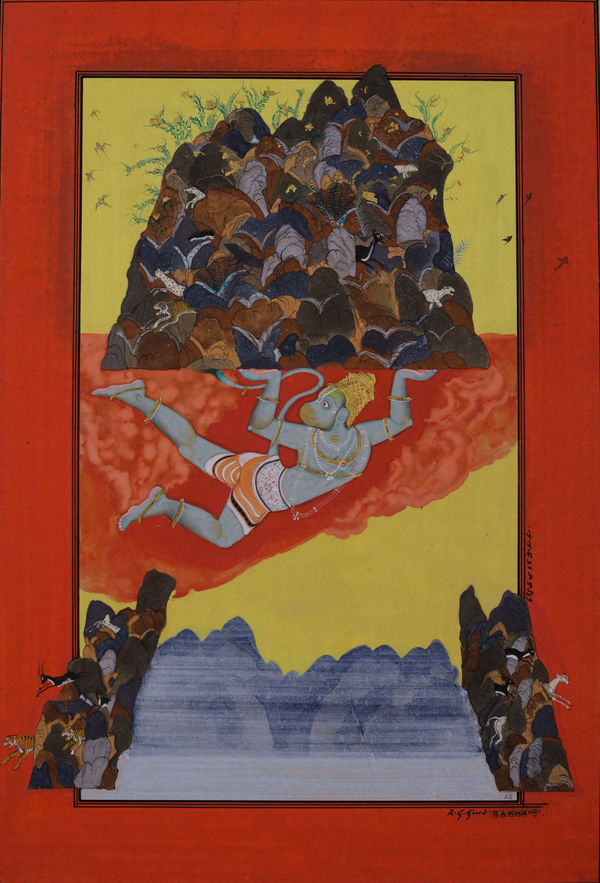
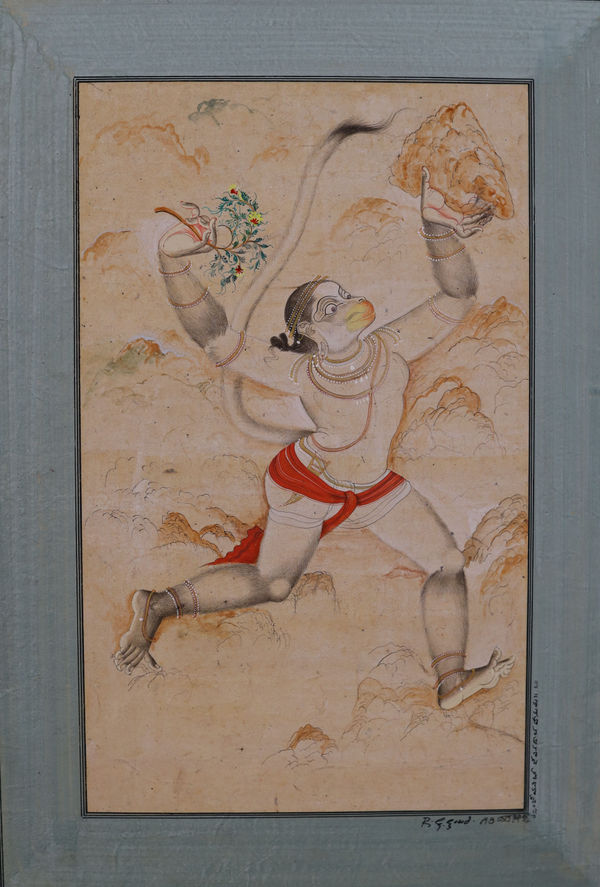
Rayana Giridhara Gowd, Parvatabharaka Hanuman
-
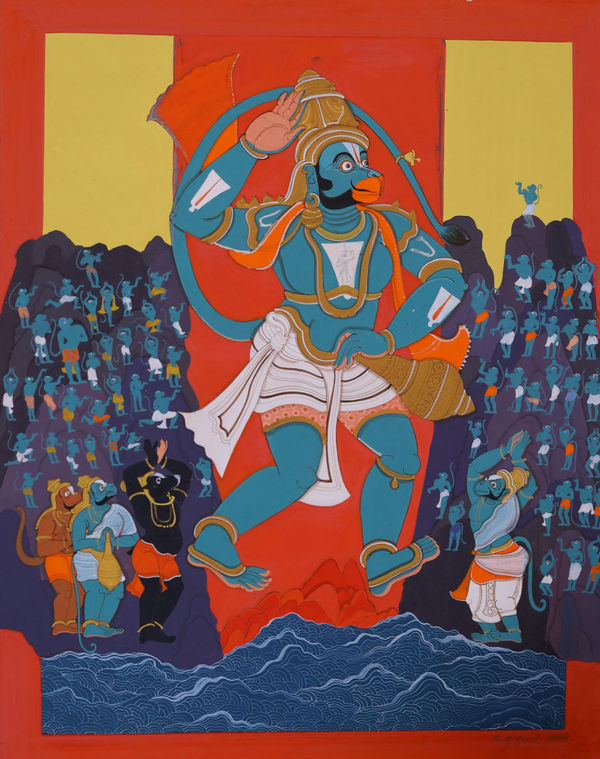
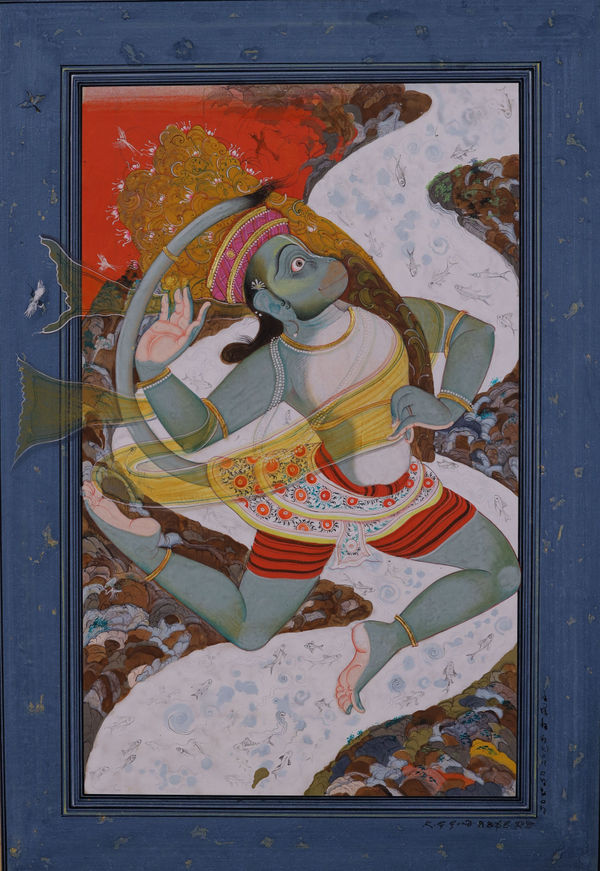
Rayana Giridhara Gowd, Samudra Langhana Hanuman
-
Rayana Giridhara Gowd, Sanjeevani Sangraha Hanuman-I
-
Rayana Giridhara Gowd, Sanjeevani Sangraha Hanuman-II
-
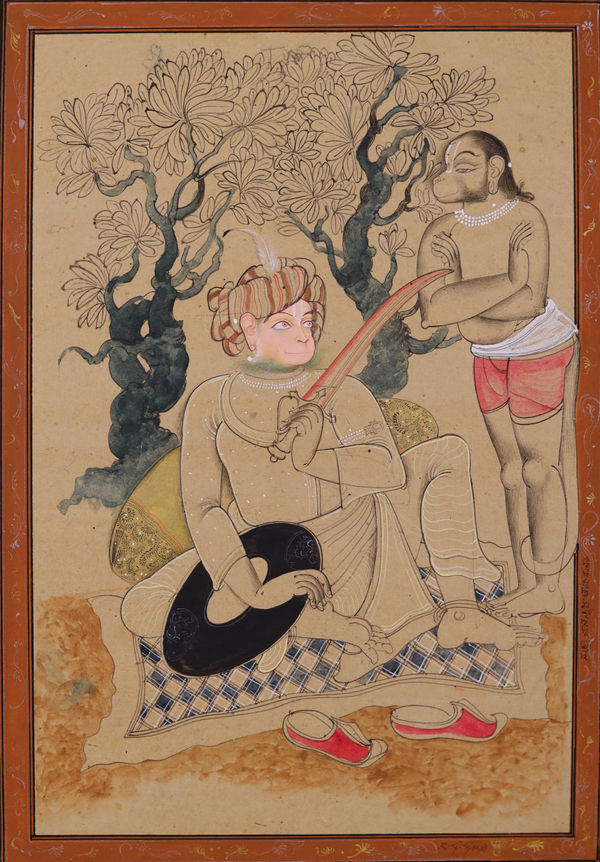
Rayana Giridhara Gowd, Sugreeva Sannihitha Hanuman
-
Rayana Giridhara Gowd, Siva Dhanurbhamgam (Set of 5)


What happens when familiar forms are looked at closely enough to reveal something more?
The works brought together for Art Mumbai 2026 move between the everyday and the symbolic, the natural and the imagined. A bunch of bananas, fragments of paper, a carved fruit, a mask, a mythological figure, or the human body becomes a point of departure for looking at the known with renewed attention. Across the presentation, each artist brings a distinct understanding of form, material and the act of making.
In Avijit Dutta’s works, nature becomes a way of observing change and the passage of time. His large tempera painting of a banana bunch, still held by its long stem, captures the fullness and weight of the fruit after it has been separated from the tree. In the Restitched works, fragments of human figures emerge through layers of colour and texture, appearing and receding within the surface. The figures are revealed only in parts, inviting the viewer to move between what is visible and what remains beyond the frame.
Dhruti Mahajan’s circular works from Wholeness in Fragments ask for a slower kind of looking. Carefully cut and layered pieces of paper come together to form a larger circular composition, while each individual fragment retains its presence. The patience of the process is central to the works. Precision, repetition and careful arrangement allow subtle variations in paper, texture and form to emerge gradually. What appears simple at first reveals the discipline and time invested in its making.
Sachin Jaltare presents a new series of paper-pulp works that explores the possibilities of paper through texture, layering and overlapping forms. The natural character of the material is retained, allowing its surface and texture to become an essential part of the visual experience. This experimentation continues Jaltare’s engagement with nature and material, while opening a new direction within his practice. The works are as much about the physical qualities of paper as they are about the possibilities that emerge through working closely with it.
For Mayadhar Sahu, the works in this presentation draw from two distinct landscapes of his life. His sculptures of banana, coconut and jackfruit recall his childhood in the village, where he would accompany his grandfather to the market as he sold vegetables. These familiar fruits, drawn from the everyday world around him, are recreated in wood and metal and given a new presence as sculptural forms.
His Ancient Steps works emerge from another formative landscape, the temple city of Bhubaneswar, where Sahu later moved for his studies. Surrounded by Odisha’s temple architecture and sculptural details, he began looking closely at the forms and structures around him. The carved wooden panels translate this influence into a pared-down sculptural language, drawing on the rhythm, geometry and layered surfaces of temple architecture. Together, these works trace a movement from the village market to the city of temples, bringing two very different experiences into the same sculptural vocabulary.
Rayana Giridhara Gowd turns to another familiar figure: Hanuman. His paintings revisit episodes from the Ramayana through a visual language shaped by the mural traditions of Lepakshi and Indian miniature painting. Hanuman appears in different states, leaping, searching, standing in devotion and preparing for action. Expressive lines animate both figure and landscape, while earth pigments and touches of gold on handmade paper lend the works a distinctive richness. The stories are familiar, but Gowd’s compositions give them a renewed sense of movement and immediacy.
Debiprasad Bhunia brings the focus back to the human figure and the spaces people inhabit. His bronze sculptures observe people in simple, recognisable moments, carrying, waiting, travelling, making or simply being. Bringing together human figures, familiar objects and fragments of architectural forms, the works reflect on ideas of home, migration and belonging. A doorway holds traces of lives lived; an ordinary chair carries memories of use and familiarity; elsewhere, travelling figures with their belongings, a man journeying with his donkey and earthen vessels, and a cyclist evoke different aspects of everyday life. Through careful attention to posture, gesture and material, Bhunia gives permanence to fleeting moments, revealing the memories and human experiences held within ordinary objects and gestures.
Across the presentation, familiar subjects are reconsidered through material, scale, process and perspective. A banana becomes an observation of form and time; fragments come together to form a whole; paper becomes texture and structure; a fruit carries the world of the village market into sculpture; temple architecture is distilled into carved wood; a familiar mythological figure is given renewed movement; and an everyday gesture becomes worthy of sustained attention.
Together, these works invite us to look again, not to search for something distant or hidden, but to see more closely what is already before us.
- Subhasmita Boxi


